Cleanliness Standards and Photo Evidence for Rentals
Learn what owners and managers must do to prove cleanliness at check-in, avoid disputes, and stay legally compliant with photo reports and room-by-room checklists.

Jonathan Lalinec
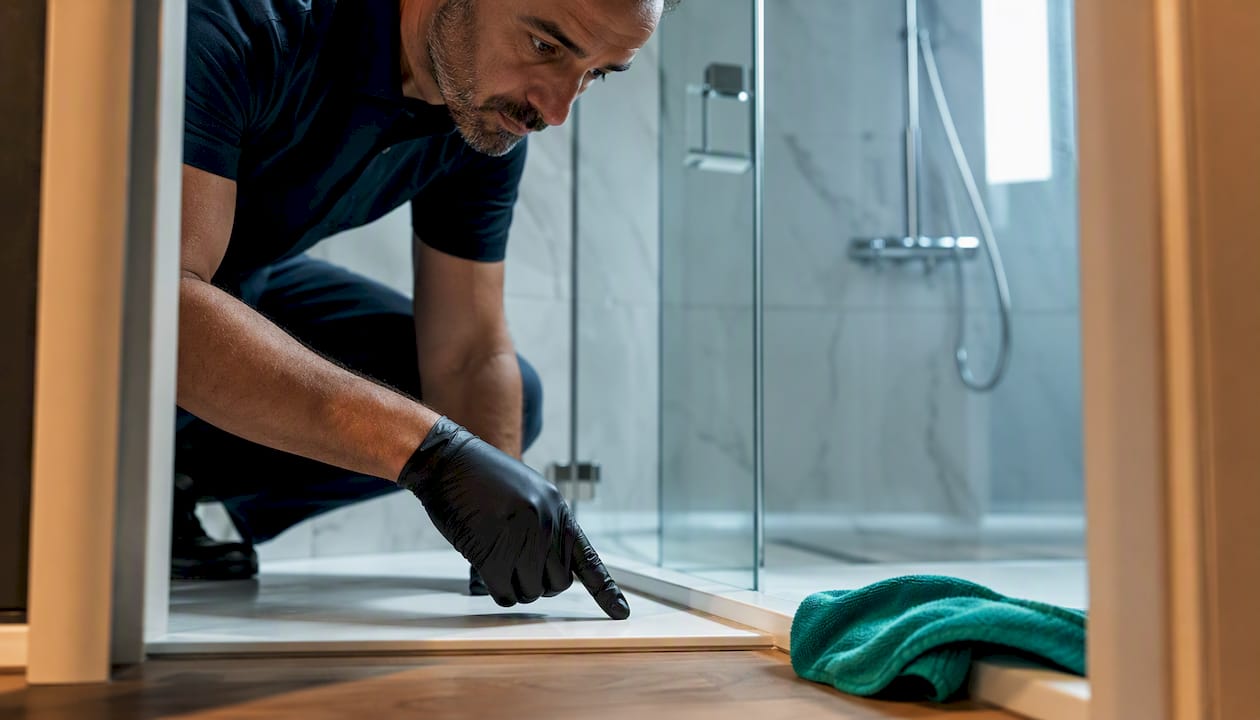
The owner must hand over a decent, clean property at check-in. The manager must be able to prove that cleanliness when the guest arrives. Keep timestamped evidence (photos, cleaning reports) to limit inventory disputes, and use an operational checklist before every arrival and every checkout.
In brief:
- The owner's responsibility is to guarantee a decent property, free of health hazards and compliant with current energy standards.
- The manager must ensure cleanliness before every check-in, keeping timestamped evidence such as photos or reports.
- A careful room-by-room inspection, covering the linen, the kitchen and the bathroom, prevents most inventory disputes.
- Systematically documenting the state of the property before every stay, even when everything is in order, makes it easier to defend against a challenge.
- The Cleanclac platform automates scheduling, cleaning traceability and the creation of evidence, reducing the risk of cleanliness-related disputes.
Table of contents
- Legal obligations: decent housing and the allocation of responsibilities
- Platform expectations and the impact of cleanliness scores
- Room-by-room cleanliness standards: what your teams must check
- Operational checklist: turnover and inventory preparation
- Indicative rates and compensation for inadequate cleaning
- Preventing and managing pests and hygiene issues
- Quality control and traceability: reports, photos and evidence for the inventory
- Cleanclac use case: automating scheduling and reporting to guarantee compliance
- Common mistakes and practical tips to avoid disputes
- Simplify your cleanliness compliance with Cleanclac
- Sources
- Frequently asked questions
Legal obligations: decent housing and the allocation of responsibilities
The concept of decent housing is not a vague formula invented by rental platforms. It is grounded in a specific text, Article 6 of Act no. 89-462 of 6 July 1989, which requires the landlord to deliver a property free of obvious risks to the health and safety of the tenant. This legal framework applies to all rentals, including furnished short-term lets, whenever the property is used as a dwelling.
In practice, a decent property must meet several cumulative criteria: a minimum habitable floor area, the absence of health hazards (excessive damp, pests, hazardous materials), basic working facilities (heating, hot water, compliant electrical installation), and, following recent regulatory changes, a minimum energy performance rating. Service-Public.fr sets out each of these points in detail and serves as the reference for checking that a property remains eligible for rental.
That last criterion deserves particular attention because it changes over time. The Ministry for Ecological Transition has introduced a phased timetable banning the rental of the least energy-efficient properties, along with a rent freeze for affected homes. An owner who ignores this aspect of the energy audit may find themselves legally unable to continue renting out their property, regardless of how clean it is.
Cleanliness itself is allocated differently depending on the stage of the tenancy. At handover, the responsibility for a full clean falls on the landlord or their manager: the property must be clean, disinfected and ready to use. During the stay or tenancy, it is the occupant who handles day-to-day upkeep (washing up, bins, ventilation), unless the contract states otherwise. This distinction matters especially in short-term rental, where turnovers are frequent and where the professional clean between stays becomes, with each cycle, a fresh obligation on the landlord's side.
When a property fails to meet these decent housing criteria, several remedies are available. The tenant can have the condition recorded by a professional, send a formal notice to the owner, or refer the matter to the departmental conciliation committee. For cases of serious disrepair, the decent housing guide published by ANIL sets out the steps to follow, including reporting the situation to the local public health authority. For a short-term rental manager, the stakes go beyond the legal: a property deemed indecent also risks refunds, negative reviews, and, on some platforms, suspension of the listing.
Platform expectations and the impact of cleanliness scores
Booking platforms go further than the basic legal standard of decency. Airbnb and Booking.com require a visible, consistent level of cleanliness: fresh linen at every check-in, no odours whatsoever, disinfected surfaces in the bathroom and kitchen, and clean floors and windows from the moment the guest steps inside. This standard is not written into law, but it directly determines where a listing ranks in search results.
The cleanliness score works as a standalone metric, separate from the overall rating. A property that accumulates reviews below a critical threshold will see its visibility drop, sometimes before a formal complaint has even been filed. Maintaining a high score depends less on occasional good luck than on a standardised protocol, repeated identically at every turnover, backed by regular evidence in case of a challenge.
The complaints process generally follows the same pattern across most platforms: the guest documents the problem with timestamped photos as soon as they arrive, reports it through the app within the first few hours, and the platform then arbitrates between the guest's evidence and the manager's. This is precisely where traceability changes everything. A manager who has a dated cleaning report with pre-handover photos has a far stronger position than a verbal statement alone.
Pro tip: Photograph the bedroom and bathroom immediately after the clean, before you leave the property. These are the two rooms most often cited in cleanliness complaints.
Three preventive best practices significantly reduce the risk of a negative report:
- Standardise the same inspection order at every clean, so no area is missed when a different cleaner covers the job.
- Document the state of the property before check-in, not only after checkout.
- Brief cleaners on the specific expectations of each platform, which can vary slightly from one booking channel to another.
Room-by-room cleanliness standards: what your teams must check
A generic checklist is not enough. Each room has its own control points, and it is often the corners no one thinks to check that generate the most inventory disputes.
Bedroom
The linen is the guest's first visual and olfactory point of contact. It must be changed in full between every stay, without exception, even for a single night. Vacuum under the bed and behind the furniture, not just the middle of the room, and dust all high surfaces (tops of wardrobes, frames, light fittings) that are easy to overlook. Odours deserve a separate check: a fabric that smells of stale smoke or damp will almost always trigger a lower cleanliness rating, even if the room looks spotless.
Kitchen
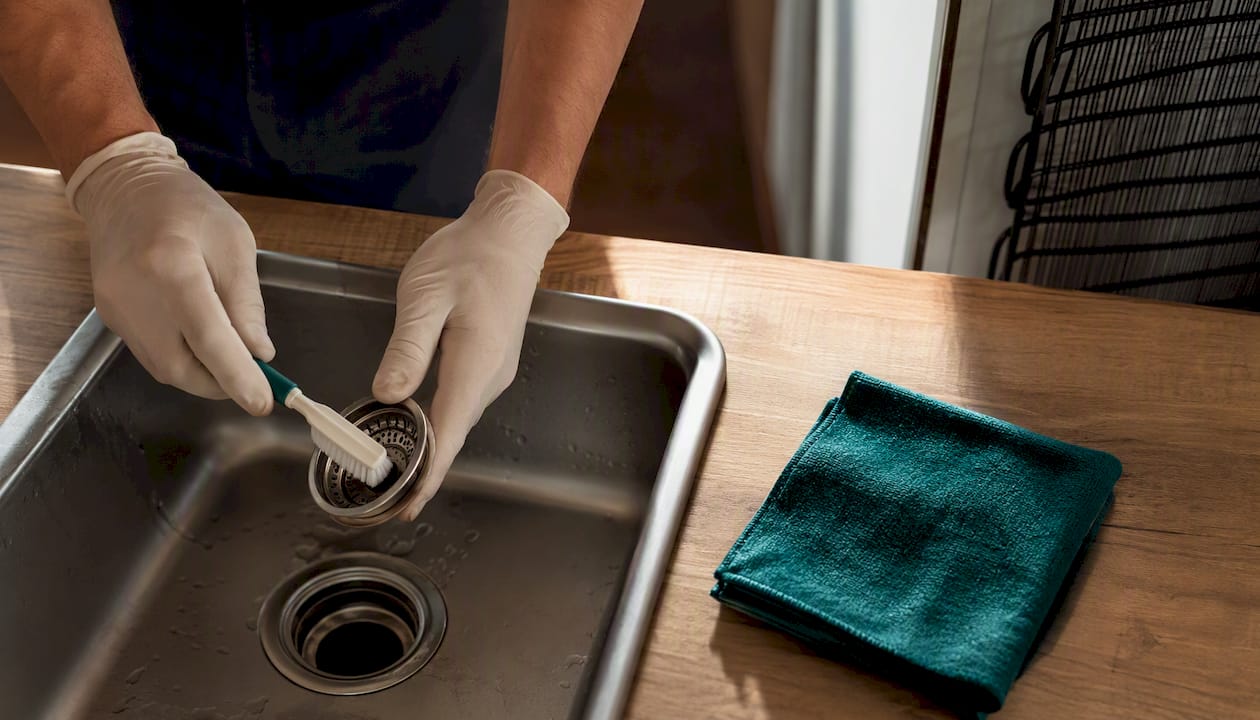
This is the room where missed corners cost the most. The back grille of the fridge, the sink trap and the drain all collect residue that slips past a quick clean but catches the eye of an attentive tenant at the inventory check. Hob plates must be degreased down to the joints, the worktop disinfected rather than simply wiped, and every piece of crockery inspected individually, including items stored in the high cupboards that are rarely used.
Bathroom
Disinfection takes priority over a visual clean. Limescale around taps and on shower grout must be treated with a suitable product, not simply rinsed with water, otherwise it returns within days. Blackened silicone grout is one of the issues most frequently mentioned in negative reviews, alongside poorly disinfected toilets under the rim. Accessories (soap dish, towel rail, mirror) complete the checklist.
Living areas and outdoor spaces
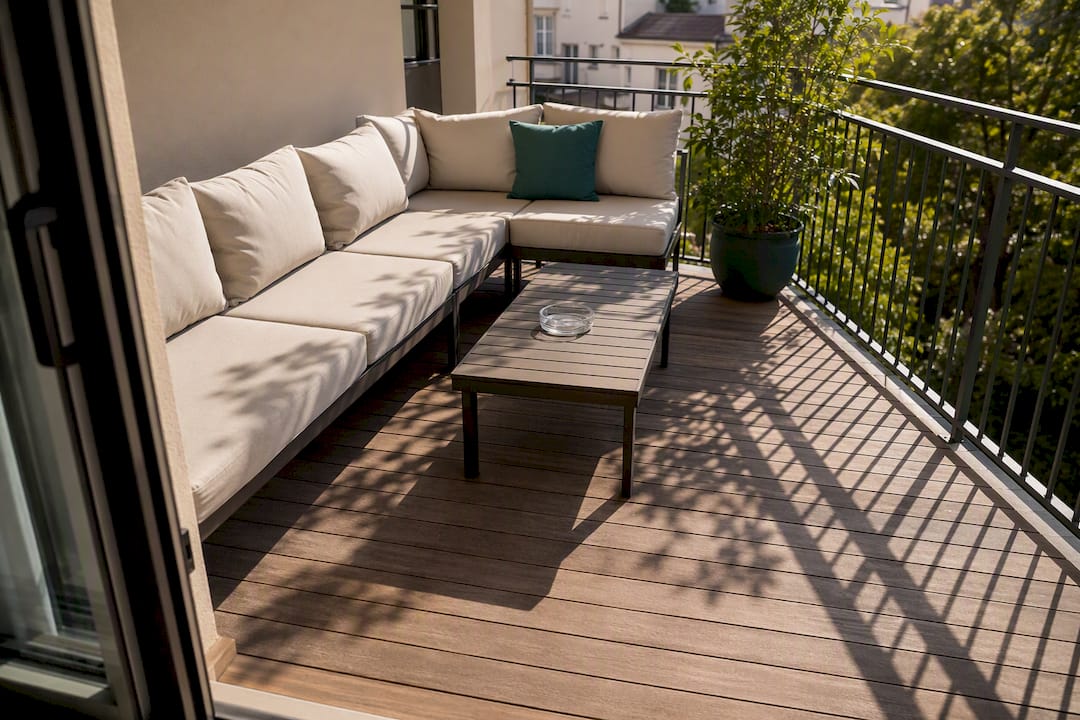
Floors need a damp pass, not just a dry sweep, particularly in circulation areas. Check windows and mirrors in daylight, which reveals marks invisible under artificial light. Outdoor furniture, terraces and balconies matter just as much: a forgotten ashtray or stained outdoor cushions create a negative first impression before the guest has even stepped inside.
Professional guides such as the property return recommendations published by SDH also detail technical points that are often overlooked: cleaning walls and ceilings, maintaining the ventilation system, degreasing radiators. These elements are not obvious at first glance, but they come up consistently during a contested inventory carried out by an attentive tenant.
Operational checklist: turnover and inventory preparation
An efficient turnover always follows the same sequence, regardless of the property. Keeping to this order prevents oversights and speeds up the team between back-to-back bookings.
- Ventilate immediately: open doors and windows as soon as you enter the property, before any other task, to clear residual odours.
- Remove dirty linen and dishes: collect bed linen and towels, empty the dishwasher, take out the bins before starting any wet cleaning.
- Wet clean by zone: kitchen and bathroom first (the most critical surfaces), then bedroom, then living areas.
- Functional checks: test equipment (heating, hot water, wifi, remote controls, locks) to catch a fault before the next guest arrives.
- Control photos: photograph each room in the same order and from the same angle at every turnover, to allow direct comparison between two stays.
Always photograph the following before leaving the property:
- Made bed and overview of the bedroom
- Worktop and inside of the fridge in the kitchen
- Bathroom, with a close-up of the grout
- Meters (water, electricity) if the rental contract requires it
- Any pre-existing damage, dated and noted
Timestamp and archive every photo in a folder linked to the relevant booking, not in a general gallery mixing several properties. A dedicated cleaning management tool for Airbnb rentals automates this filing and prevents evidence being lost between closely spaced bookings.
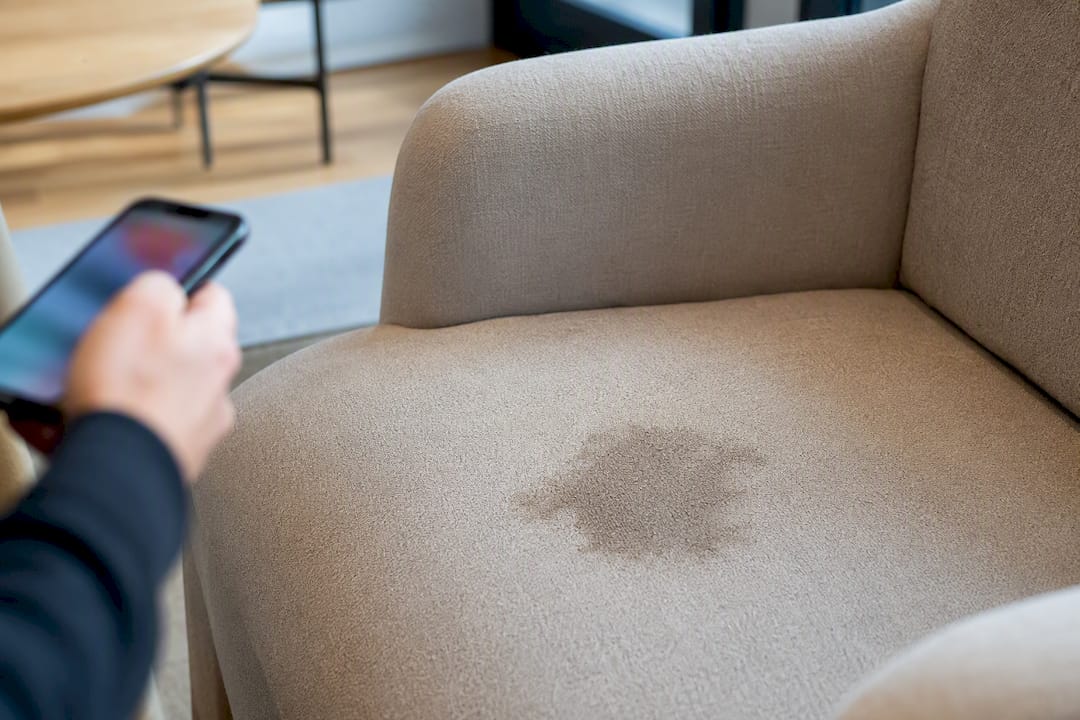
If damage is spotted during the clean (ingrained stain, broken item, faulty equipment), the procedure is straightforward: photograph the item immediately, note the date and time of discovery, then inform the manager or owner before continuing the clean. Never repair or conceal damage without first notifying the person responsible for the property. Doing so risks losing the evidence needed to establish how the problem arose.
Indicative rates and compensation for inadequate cleaning
Cleaning rates vary considerably depending on floor area, turnover frequency and location, but a few benchmarks help with budgeting. A standard clean between two stays typically falls between €30 and €80 for a studio or one-bedroom property. A deep clean, carried out periodically or after a long stay, tends to run between €80 and €150. An extreme clean, needed after serious neglect by a guest or an infestation, can exceed €200 depending on the extent of the work.
Reference figure: practical rental handover guides regularly cite a compensation figure of around €150 when a property has not been cleaned properly at checkout. This figure is indicative. It varies with the size of the property, the scope of the cleaning shortfall and local practice, and does not constitute a fixed legal scale.
Three practical points to bear in mind before withholding from a security deposit or charging a supplement:
- Always keep cleaning invoices and quotes as supporting evidence, not just a verbal estimate.
- Calculate the compensation on the basis of an actual quote rather than an unjustified flat amount, which limits challenges in the event of a dispute.
- Document the condition found before commissioning the additional work, to prove that the inadequate cleaning preceded the service being invoiced.
Preventing and managing pests and hygiene issues
Warning signs can often be spotted before an infestation becomes visible to the naked eye: dark marks along skirting boards or under the bed frame, an unusual persistent odour, small bites on guests' skin reported after a stay, dark residue near water sources. A single one of these signs warrants a thorough inspection, not just closer monitoring.
Prevention relies on three regular habits rather than a one-off intervention after the fact:
- Inspect the mattress and bed frame at regular intervals, not only when a guest complains.
- Apply a preventive treatment to at-risk areas (kitchen, bathroom) following the recommendations of a local professional.
- Ventilate the property every day between bookings, as stagnant moisture encourages both mould and pests.
When a confirmed suspicion arises, the process runs in four steps: isolate the affected room or property to prevent the problem spreading, photograph the signs observed as evidence, bring in a professional pest controller rather than attempting a DIY treatment, then inform the guest concerned if the problem arose during their stay. The ANIL substandard housing guide sets out the steps to take when the situation goes beyond an isolated incident and points to a structural hygiene problem.
Quality control and traceability: reports, photos and evidence for the inventory
The strength of a piece of evidence lies in its structure, not just its existence. A standalone photo with no date or context carries little weight when a tenant disputes the state of the property at check-in. A structured report, by contrast, systematically pairs a before-and-after photo, an automatic timestamp, and a brief comment identifying the room and the action taken.
Timestamped evidence and signed reports significantly reduce the risk of a challenge at the inventory, simply because they shift the debate from a subjective impression to an objective record. A manager who produces a photo report dated at 10:42 on the day of handover closes most arguments before they begin.
Attaching these cleaning reports directly to the inventory documents, rather than keeping them separately, also simplifies the defence in any conciliation procedure. Three concrete practices strengthen this traceability:
- Name each photo file in a consistent format (date, property, room) so that a piece of evidence can be retrieved in seconds.
- Have each report signed or validated by the cleaner who carried out the work, with an automatic rather than manual timestamp.
- Centralise reports by property and by booking in a single tool, never scattered across multiple applications.
Pro tip: Ask your cleaners to add a brief comment to each photo directly in the app, rather than sending images without context by message. A dated comment is often worth more than a photo alone in a platform arbitration.
Cleanclac use case: automating scheduling and reporting to guarantee compliance
Cleanclac was built precisely to meet this need for systematic traceability. Cleaning jobs are scheduled automatically as soon as a booking enters or leaves the calendar, whether via Airbnb, Booking.com or another platform, with no need for the manager to manually log each slot.
Each cleaner has their own mobile login, which eliminates the confusion of shared schedules on a single account. This individual access lets them generate a cleaning report with photos and videos directly on site, timestamped at the moment of capture and then centralised in a dashboard the manager can consult at any time.
Three concrete benefits follow from this setup:
- Stock and supply tracking that prevents running out of cleaning products mid-turnover.
- Performance tracking by cleaner, useful for identifying a drop in quality quickly before it affects the cleanliness score.
- A timestamped proof available immediately in the event of a dispute, with no need to trawl through a messaging app.
This structure directly reduces the number of cleanliness-related disputes and supports a stable rating across booking platforms.
Common mistakes and practical tips to avoid disputes
Owners almost always underestimate the same risk: treating the clean as an identical task at every turnover, without ever checking whether the protocol is actually being followed. A competent cleaner who switches property, or who speeds up because the schedule is tight, forgets the same spots every time: the fridge grille, the shower grout, under the bed. This is not a competence issue. It is a supervision issue.
The second mistake, more insidious, is documenting only incidents and never normality. A manager who only photographs damage has nothing to show when a guest claims, without proof, that the property was dirty on arrival. Documenting systematically, including when everything is in order, takes a few minutes and saves hours of back-and-forth with a platform.
My conviction, after observing this sector: compliance is not won on paper. It is won through the consistency of the on-the-ground protocol.
, Jonathan
Simplify your cleanliness compliance with Cleanclac
Cleanclac turns your decent-housing obligations and platform requirements into an automated protocol, without you having to chase each cleaner by message before every check-in.

In practice, as soon as a booking lands in your Airbnb or Booking.com calendar, the cleaning job schedules itself and the cleaner receives a notification on their phone. You then get a timestamped photo report, viewable directly from your dashboard. This is exactly the type of evidence this guide has shown to matter in an inventory dispute. If you manage several properties without a fixed team, you can also find a local cleaning contractor directly through the platform when something unexpected comes up.
To get started, visit the app product page and try the automatic scheduling on your first property.
Sources
- Decent rental housing | Service Public
- Article 6 of Act no. 89-462 of 6 July 1989 | Doctrine
- Property return recommendations 2021 | SDH
- Decent housing guide | ANIL
- Rental ban and rent freeze for energy-inefficient properties | Ministry for Ecological Transition
Frequently asked questions
What are the tenant's cleanliness obligations?
The tenant must carry out day-to-day upkeep during their stay (washing up, bins, ventilation), but the full reset between tenancies remains the responsibility of the landlord or their manager.
What mandatory standards must be met to rent out a property?
The property must meet the legal definition of decent housing under the 1989 act: minimum floor area, no health hazards, working facilities, and an energy performance rating that complies with the current timetable.
What are the 3 essential rules of rental cleaning?
Clean thoroughly between every stay, document each session with timestamped photos, and check the corners that are most often missed (drains, back grilles, grout) as these generate the most disputes.
Does the property need to be cleaned before the inventory check?
Yes: a property returned in a dirty state can justify a deduction from the security deposit, usually calculated on an actual quote rather than the indicative flat fee of €150 mentioned in practical guides.
How do you prove a property was clean if there is a dispute?
A timestamped cleaning report with before-and-after photos, centralised through a tool like Cleanclac, is the strongest evidence against a challenge from a platform or a guest.


